🎬 The Ninth Configuration (1980)
Based on novel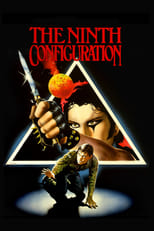
The Ninth Configuration is a 1980 American surrealist psychological drama film written, produced, and directed by William Peter Blatty, based on his own 1978 novel of the same name. The novel itself was a reworking of Blatty's earlier 1966 novel Twinkle, Twinkle, 'Killer' Kane!, which Blatty expanded and deepened for the film adaptation. The film serves as the second installment in Blatty's 'Trilogy of Faith,' following The Exorcist (1973) and preceding The Exorcist III (1990), though it is not a direct narrative sequel but rather a thematic exploration of faith, suffering, and redemption.
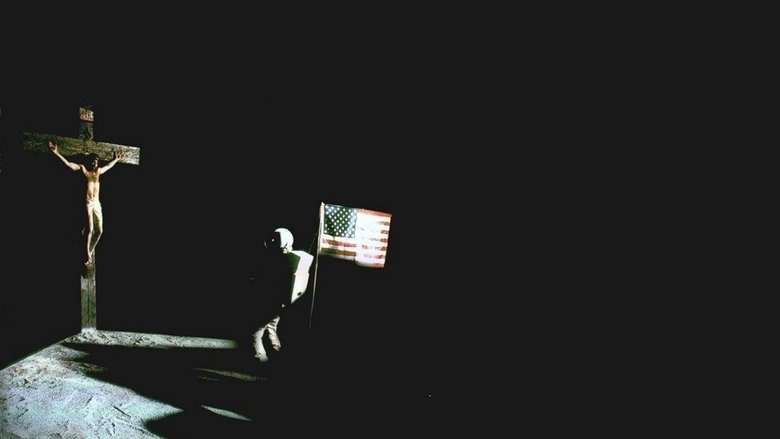
Set in a remote military asylum for mentally distressed soldiers, the film follows Colonel Hudson Kane (Stacy Keach) as he takes command and attempts to understand the enigmatic patients, including the astronaut Billy Cutshaw (Scott Wilson). The first half of the film is framed as a comedic farce, with bizarre and absurd interactions among the inmates, while the second half shifts into a darker, more philosophical meditation on madness, sacrifice, and the nature of God. The film notably blurs the line between sanity and insanity, challenging the audience's perceptions.
The Ninth Configuration received positive critical reviews and was awarded the Golden Globe for Best Screenplay, with additional nominations for Best Original Score and Best Motion Picture – Drama. It was also entered into the 30th Berlin International Film Festival. Despite its critical acclaim, the film was not a major commercial success, but it has since gained a cult following. Blatty's directorial debut is noted for its ambitious blend of tones and its deeply personal exploration of faith, reflecting his own Catholic background. The film remains a unique and thought-provoking entry in the canon of psychological horror and drama.

The Ninth Configuration is a novel by American writer William Peter Blatty, first published in 1978. It is a psychological and theological thriller that explores themes of faith, suffering, and the nature of good and evil. The story is set in a remote castle used as a military insane asylum, where a mysterious psychiatrist arrives to treat a group of patients, including a former astronaut who aborted a moon launch.
The novel is actually a reworking of Blatty's earlier 1966 book, Twinkle, Twinkle, "Killer" Kane!, which was a more straightforward black comedy. For The Ninth Configuration, Blatty restructured the narrative, deepened the philosophical and religious undertones, and shifted the tone to blend absurdist humor with profound existential drama. The result is a unique work that defies easy genre classification.
Blatty considered The Ninth Configuration to be the second installment in his "Trilogy of Faith," which began with The Exorcist and concluded with Legion (later adapted as The Exorcist III). The novel delves into the question of whether human suffering can be redeemed and presents a central mystery surrounding the true identity of the protagonist, Colonel Kane. Its exploration of sanity, sacrifice, and the existence of God has earned it a dedicated cult following.