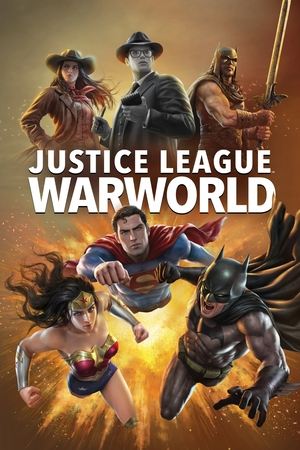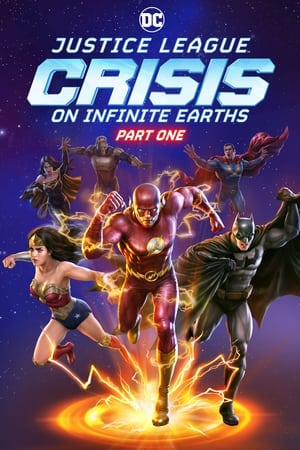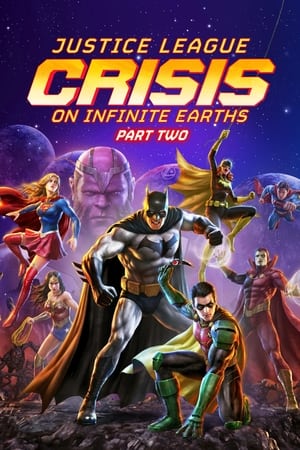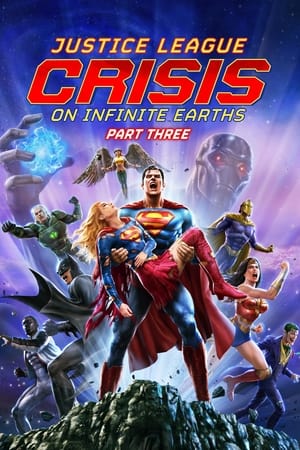
🎬 Justice Society: World War II (2021)
Part of Justice League (Tomorrowverse)
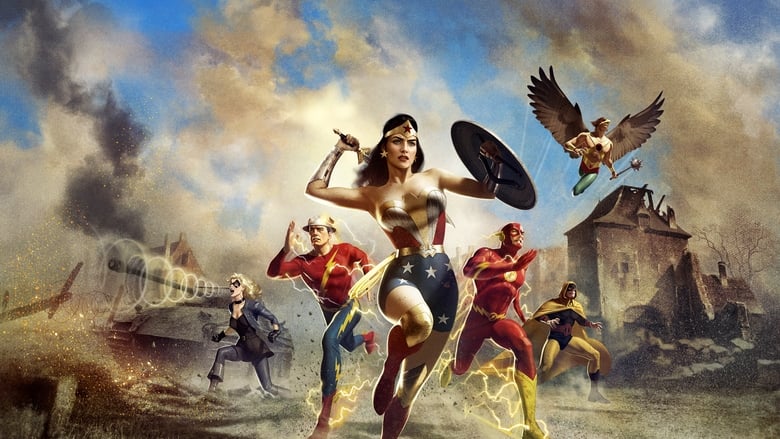
Justice Society: World War II marks a fascinating pivot point for DC's animated universe, serving as the second chapter in the Tomorrowverse continuity. Rather than a direct adaptation of any single Golden Age comic, the film cleverly uses the classic team as a vehicle for a time-traveling origin story. The narrative thrusts a modern Barry Allen into the 1940s, forcing the speedster to fight alongside a seasoned Wonder Woman, Hawkman, and Black Canary against Nazi forces. This framing device allows the film to explore the contrasting heroism of different eras, presenting the JSA not as a relic of the past but as a battle-hardened unit already deep in the trenches of a global conflict.
The film takes significant liberties with the source material's roster and dynamics. While the original JSA was a sprawling ensemble led by rotating chairmen, this version is a tighter, military-style squad under Wonder Woman's command, with Steve Trevor acting as a direct liaison to President Roosevelt. The inclusion of Black Canary as a core member during the war is a notable retcon, as the character traditionally debuted much later. The animation style, characterized by clean lines and a retro-futuristic aesthetic, visually distinguishes the period setting from the modern-day bookends featuring Superman's battle with Brainiac, grounding the fantastical elements in a tangible historical moment.
Critically, the film was praised for its character-driven approach, particularly the nuanced portrayal of Wonder Woman as a pragmatic wartime leader, voiced with gravitas by Stana Katic. The relationship between Barry Allen and Jay Garrick, the original Flash, provides the emotional core, highlighting the legacy aspect of the mantle. By isolating the JSA in their own timeline, the movie sidesteps the complex multiversal baggage that often accompanies the team in the comics, delivering a streamlined, self-contained war story that honors the spirit of the Golden Age heroes while building a new foundation for the animated universe's future.

The Justice Society of America (JSA) is a superhero team that debuted in All Star Comics #3, published by DC Comics in 1940 during the Golden Age of Comics. Created by editor Sheldon Mayer and writer Gardner Fox, with contributions from artists like Everett E. Hibbard and Sheldon Moldoff, the team featured an ensemble of heroes including Jay Garrick (the original Flash), Alan Scott (Green Lantern), Hawkman, Doctor Fate, the Atom, Sandman, and Hourman. Wonder Woman joined shortly after in All Star Comics #8. The JSA was the first superhero team in comic book history, serving as a precursor to the Justice League.
The team's adventures centered on fighting Axis powers during World War II, embodying patriotic themes and moral fortitude. They operated from a brownstone headquarters in New York City, with rotating leadership and guest appearances by other heroes. The JSA's Golden Age run ended in 1951 due to the Comics Code and shifting cultural interests, but they were revived in the 1960s and 1970s, influencing modern DC continuity through retroactive ties to the multiverse. Their legacy endures as icons of heroism, inspiring countless team-up stories and establishing the template for ensemble superhero narratives.
The Tomorrowverse is a shared universe of animated superhero films produced by Warner Bros. Animation and DC Entertainment. It serves as a successor to the DC Animated Movie Universe, launching with a fresh continuity and a distinct retro-futuristic aesthetic inspired by classic comic book artwork. The overarching narrative explores the formation of the Justice League and the escalating cosmic threats they face, building toward a multiversal crisis.
This collection of films is characterized by its interconnected storytelling, where events in one film directly influence subsequent entries. The visual style is notably cleaner and more streamlined than its predecessor, emphasizing bold lines and a vibrant color palette. The stories often draw inspiration from iconic DC Comics storylines, reinterpreting them to fit the new animated continuity.
The Tomorrowverse places a strong emphasis on legacy and the concept of heroism across different eras. It introduces alternate realities and historical teams like the Justice Society of America, weaving them into the fabric of the modern heroes' journey. The narrative arc gradually expands from Earth-bound conflicts to galaxy-spanning wars, ultimately culminating in a reality-shattering event that tests the limits of the Justice League's unity and power.